

Connecting Science to Practice
As medication experts, ambulatory oncology pharmacists
apply evidence-based knowledge to manage complex anticancer
therapies, ensuring safe and effective treatment for patients.
Pharmacist-led education and intensive monitoring
are important to improving adherence to oral chemotherapy
agents and enhancing patients’ outcomes. Through tools
such as the Questionnaire documentation system, quantifiable
data now highlight the significant contributions of pharmacists,
such as adverse event management, dose adjustments,
and ensuring access to high-cost therapies. This data
collection method tracks ambulatory oncology pharmacists’
interventions and their associated time spent, thereby validating
the critical role of ambulatory oncology pharmacists and
enabling the optimization of resources through improved
patient care and efficiency in the deliverance of healthcare.
Ambulatory oncology pharmacists have become key members of the oncology care team at many large academic centers. The need for medication experts when managing anticancer treatments is essential in ensuring safe, appropriate care for patients. The duties of an ambulatory oncology pharmacist include, but are not limited to, the recommendation of appropriate dosing for oral and intravenous anticancer therapies, assisting in acquiring high-cost anticancer treatments, and adverse event (AE) management resulting from these often-toxic medications.
As the number of oral chemotherapy agents on the market rises, so does the need for ambulatory oncology pharmacists to manage treatment-related AEs and to ensure that the recommended monitoring is being adhered to. Data suggest that proper education by pharmacists and increased medication monitoring may be associated with better adherence to oral chemotherapy agents.1 It is also suggested that improved adherence is associated with better responses in patients receiving oral chemotherapy.2 In a systematic review by Zerillo and colleagues that assessed strategies to enhance the safety and quality of oral chemotherapy care delivery programs, a trend was observed toward improved AE profiles in patients who received more intensive monitoring by the healthcare team.3 This all highlights the value of ambulatory oncology pharmacists in cancer care.
Quantifiable metrics are increasingly essential in healthcare to be able to justify and ideally expand resources to ensure optimal patient care.4 The informatics team at our institution recommended the Questionnaire documentation tool, which was implemented to collect discrete information regarding our institution’s pharmacist-led oral anticancer program in 2021.4 The success of this tool in easily collecting discrete data prompted the expansion of its functionality to attempt to capture all tasks performed by the ambulatory oncology pharmacists.4
Our objective was to highlight the critical contributions of ambulatory oncology pharmacists within an oncology care setting by using the Questionnaire’s functionality in the electronic medical record (EMR). We aimed to demonstrate the scope of the pharmacists’ tasks, including patient education, AE management, dose adjustments, medication acquisition, and other interventions, while emphasizing the pharmacists’ impact on improving patients’ care, optimizing the efficiency of the healthcare team, and ensuring resources are justified and allocated appropriately. Through this, we sought to validate the essential role of oncology pharmacists and provide data to support the expansion of pharmacist and pharmacy technician resources within oncology clinics.
Methods
At our institution, Froedtert & Medical College of Wisconsin, the Questionnaire functionality within our EMR is used to collect discrete data to describe the work done by our ambulatory oncology pharmacists. Four separate questionnaires were created to more broadly capture the various tasks and interventions completed by the ambulatory oncology pharmacists, including medication education, medication follow-up, medication acquisition, and other interventions. Each of the 4 questionnaires has relevant questions and associated dropdown options for the pharmacist to select to standardize the data and make documentation more efficient.
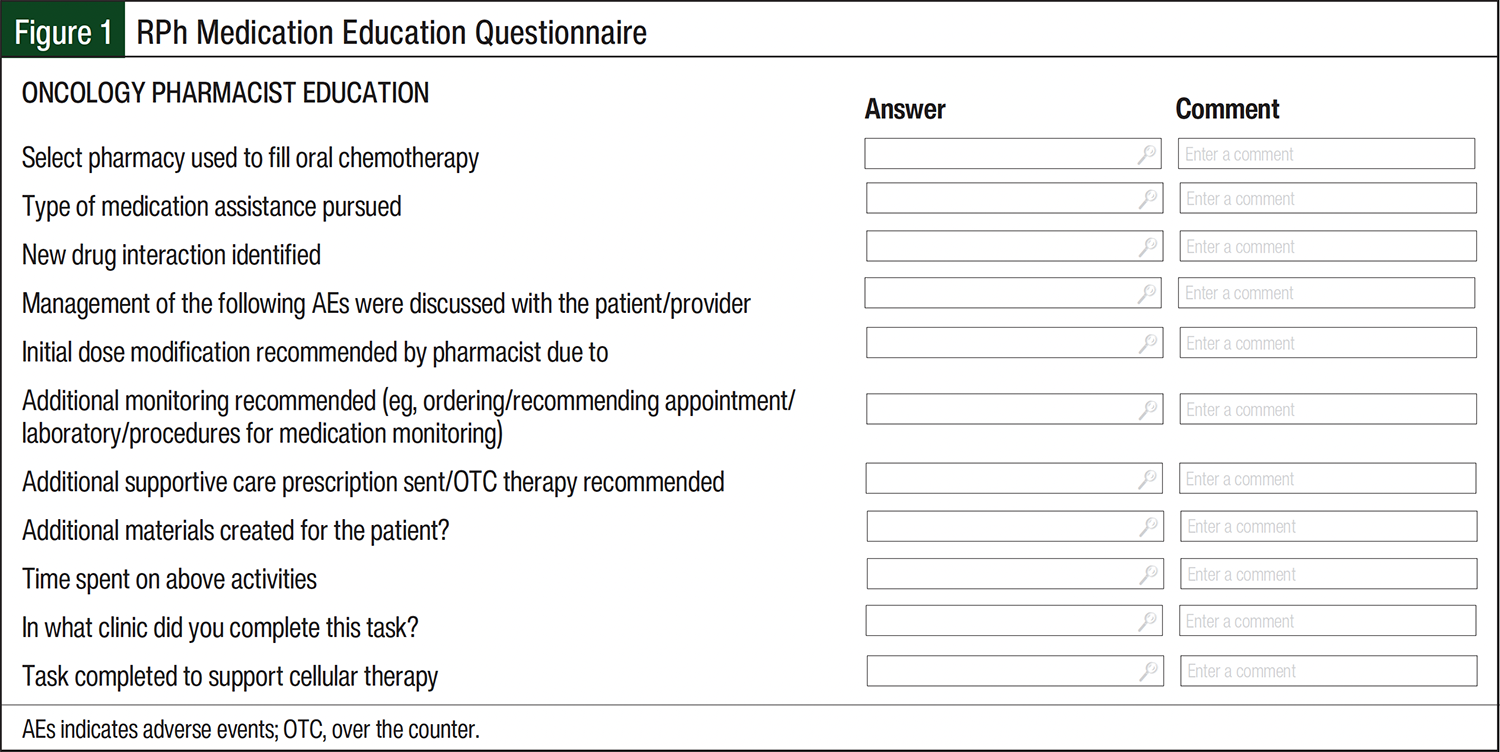
Ambulatory oncology pharmacists at our institution are responsible for providing in-depth education to all patients who are receiving a new oral anticancer agent. In accordance with the Quality Oncology Practice Initiative standards,5 pharmacists review proper dose and administration, drug interactions, and the management of anticipated AEs. Pharmacists are also involved in educating patients on supportive care medications, including medications to manage nausea and vomiting, growth factor support, infection prophylaxis, and the required medications for patients receiving lymphodepleting chemotherapy in anticipation of bone marrow transplants or other cellular therapies. The data collection related to these tasks is completed through the RPh Medication Education Questionnaire (Figure 1).
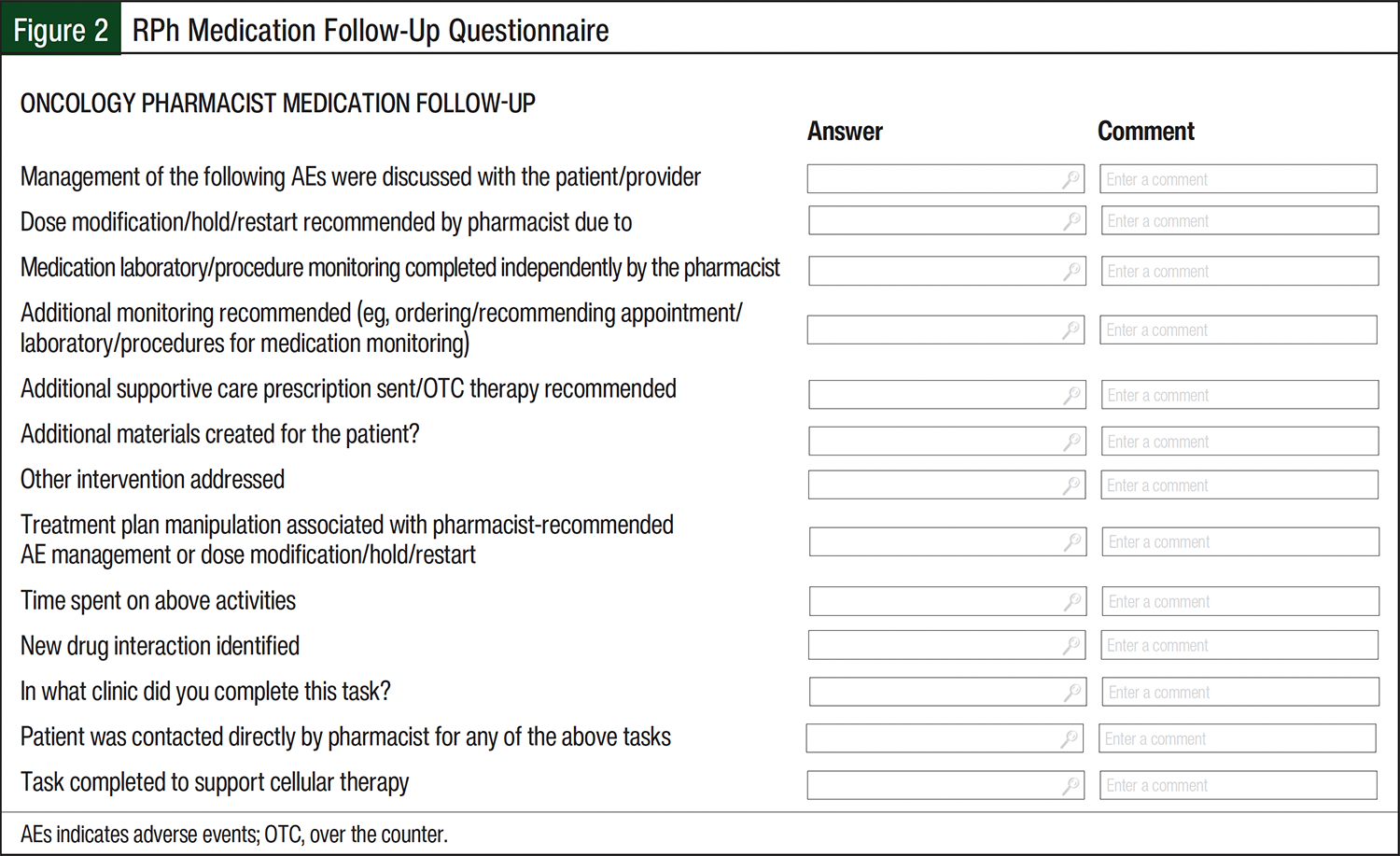
In addition to providing initial education as described above, ambulatory oncology pharmacists at our institution are involved in AE management and laboratory monitoring for oral and intravenous anticancer treatments. Patients are contacted through routine phone calls and via MyCharts by our pharmacists for those receiving oral anticancer medications for AE management for independent laboratory and vital assessments, and to ensure that appropriate follow-up is in place. In addition, oncology pharmacists sit in the workroom with the medical team and provide recommendations on AE management and dose modifications in real time for patients who are being evaluated in the clinic by their provider. Data collection for these tasks is completed through the RPh Medication Follow-Up Questionnaire (Figure 2).
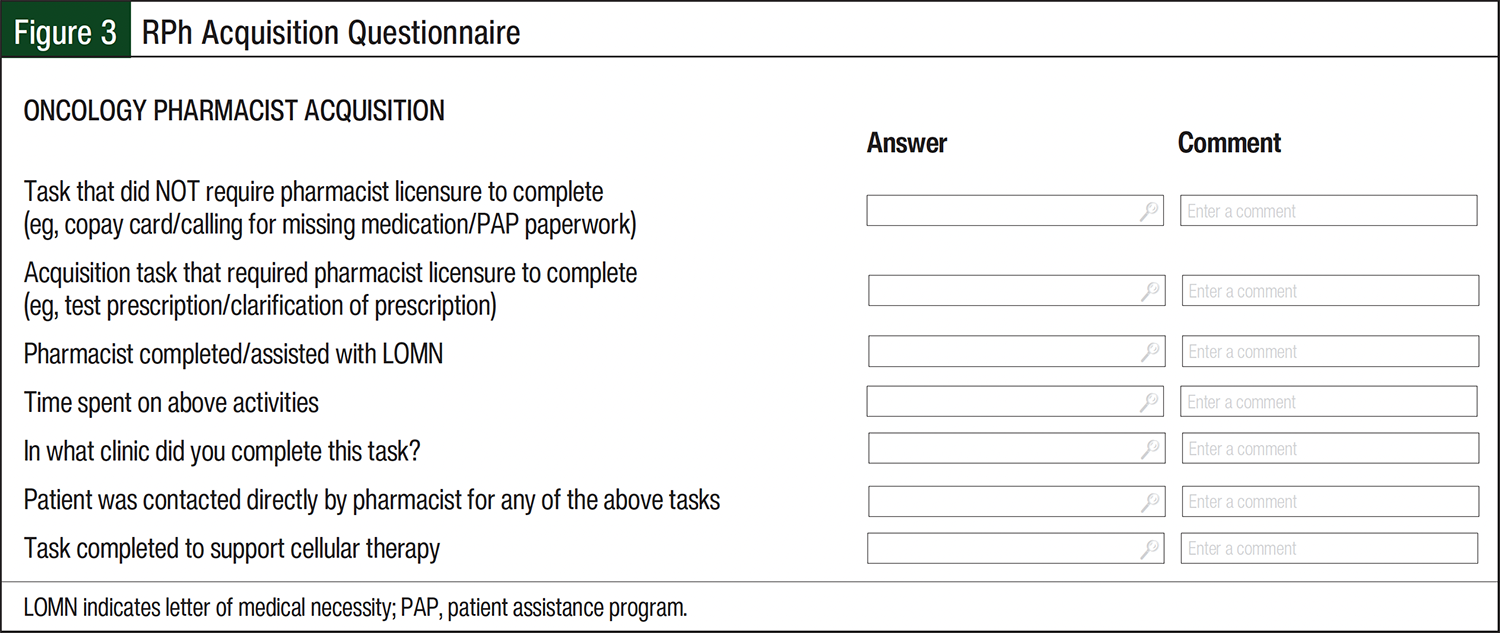
Medication acquisition is essential in oncology; as such, pharmacists and pharmacy technicians are tasked with ensuring that patients can affordably and consistently obtain their treatments. This often involves time spent securing copay cards, grants, and patient assistance. In addition, many patients need to use specialty pharmacies, which requires coordination between the patient and the pharmacy to ensure medication access. Data collection for these tasks is completed through the RPh Acquisition Questionnaire (Figure 3).
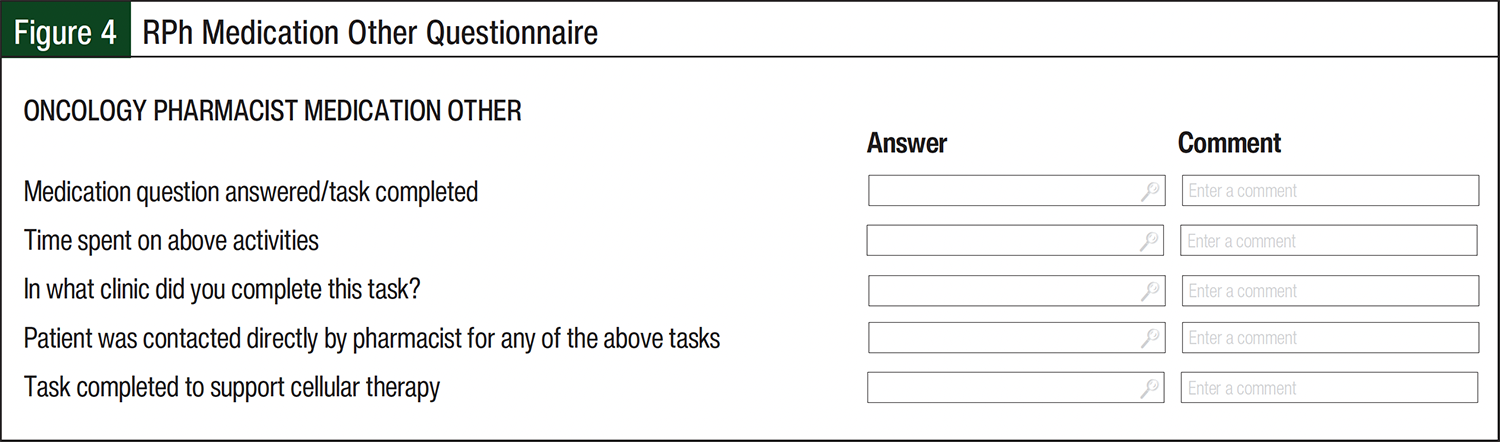
The final questionnaire was intended to capture many of the miscellaneous tasks that our ambulatory oncology pharmacists are involved with, such as antibiotic and vaccine recommendations, drug information questions, treatment plan adjustments, and medication/herbal supplement interaction checks. Data collection for these tasks is completed through the RPh Medication Other Questionnaire (Figure 4).
Data from each of the 4 above questionnaires was collected from April 1, 2024, to August 31, 2024. This data set includes data from 11 clinics that are staffed by a total of 12 ambulatory oncology pharmacists on any given day. Of the 11 clinics, 7 are located on the academic medical center campus and are oncology disease–specific clinics. Four of the 11 clinics are community oncology clinics that provide treatment for a variety of different cancers. All pharmacists received education on the use of the questionnaire to standardize the usage of this tool.
Results
RPh Medication Education Questionnaire
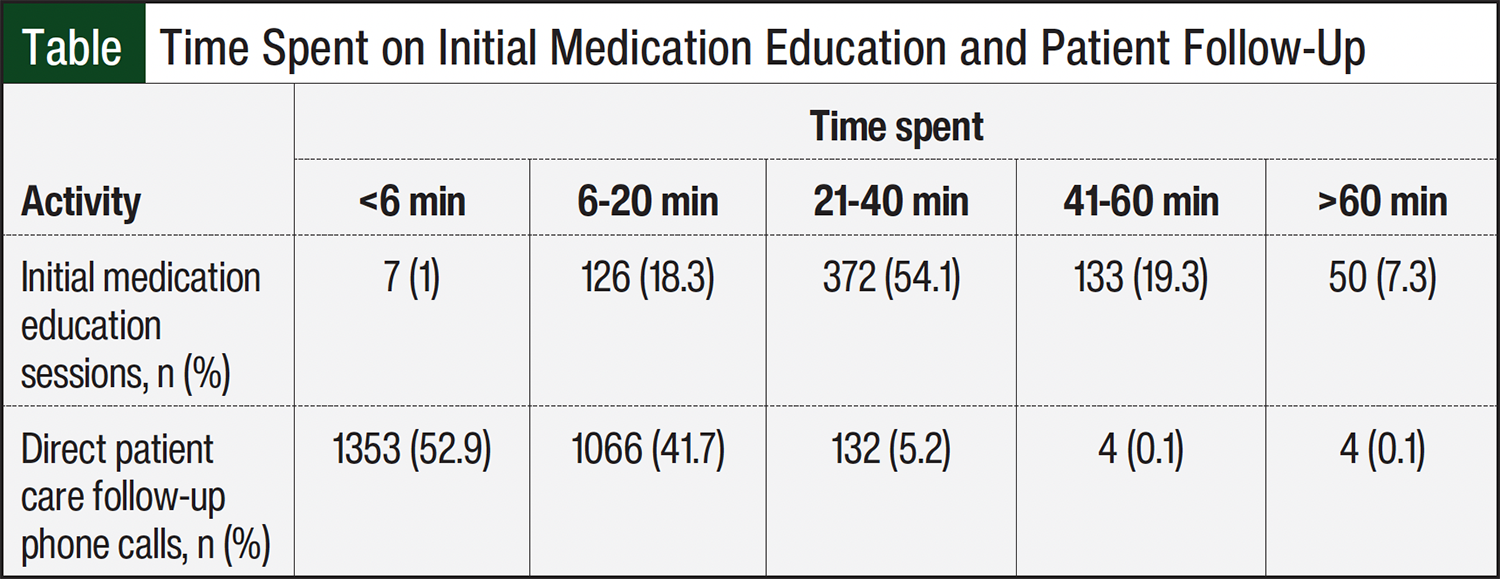
From April 1, 2024, to August 31, 2024, a total of 688 pharmacist initial medication educations were completed by the 12 ambulatory oncology pharmacists at our institution. Initial medication educations require a significant amount of time and account for a large portion of the pharmacist’s workload. The time spent on the initial education is shown in the Table.
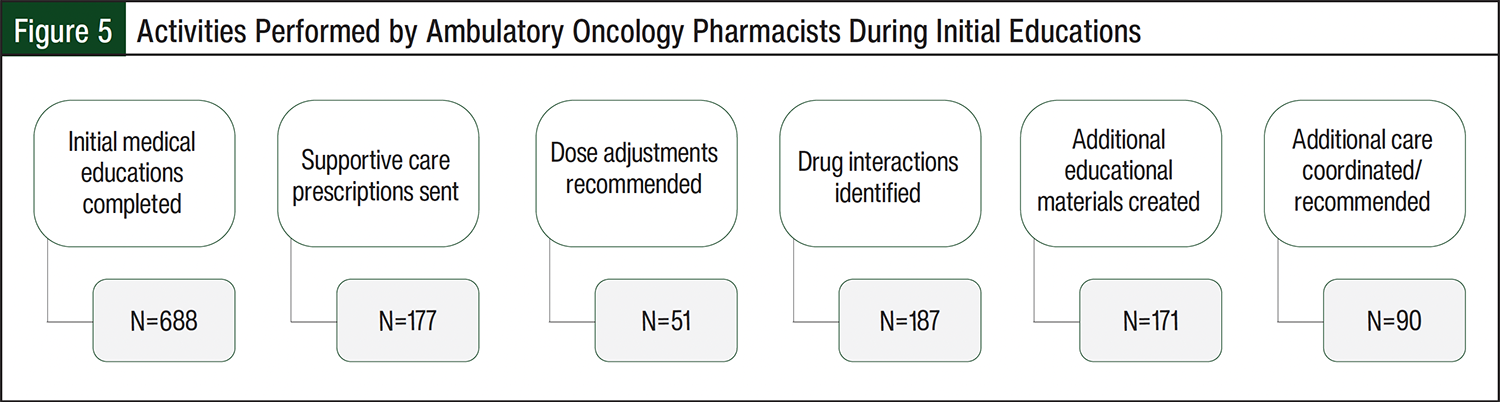
During the initial education sessions, pharmacists frequently recommend additional supportive care medications, such as antiemetics, when not prescribed by the oncologist or over-the-counter antidiarrheals, which occurred 177 (25.7%) times. Pharmacists recommended an initial dose adjustment 51 times during the initial education visit. Dose modifications were recommended by the pharmacist team for anticipated tolerability (58%), drug interactions (24%), and prescribing information–recommended renal or hepatic impairment (18%). A total of 187 drug interactions were identified by a pharmacist, which resulted in more intensive monitoring, cessation of the interaction medication, or dose modifications. These interactions varied, but common interactions included risks such as QTc prolongation or reduced ejection fraction, which required more frequent electrocardiogram and echocardiogram monitoring, as well as medication concentration changes that necessitated additional laboratory monitoring, or dose adjustments for treatment and nontreatment medications.
To supplement the teachings, calendars for cyclical medications and medications with unique ramp-up requirements were manually created by pharmacists for 171 (24.9%) patients. Last, care coordination is paramount to ensuring appropriate follow-up is in place for our oncology patients and was done a total of 90 times by a pharmacist; this includes tasks such as coordinating a follow-up visit with the medical team after starting a new oral anticancer medication or recommending that additional laboratory or imaging is performed based on the new treatment started. A summary of these activities can be seen in Figure 5.
RPh Medication Follow-Up Questionnaire
Pharmacists are the medication experts of the healthcare team. Understanding common AEs and how to manage them, as well as recommending dose reductions, holds, or restarts for cancer therapies, are essential to the role. Our pharmacists are responsible for routinely contacting patients who are receiving oral anticancer therapies, as well as serving as a resource for nurses and providers regarding patients seen in the clinic.
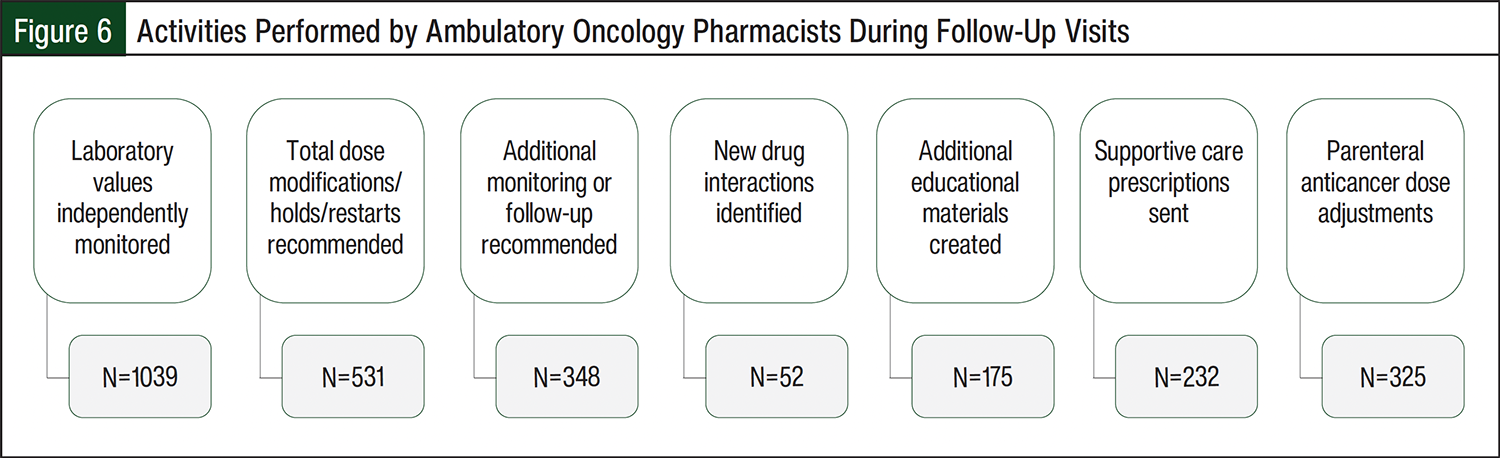
From April 1, 2024, to August 31, 2024, a total of 1039 laboratory results were independently reviewed by an ambulatory oncology pharmacist. Many of these independent laboratory evaluations were completed for cyclical medications to review blood counts before starting subsequent cycles, but they also included the monitoring of various laboratory values, such as liver and kidney function tests, as appropriate. Among the 1039 results reviewed, a dose adjustment, hold, or restart was recommended by an ambulatory oncology pharmacist 206 times. The independent pharmacist laboratory review and subsequent dosing recommendation reduced the amount of time providers spent reviewing the required oral anticancer laboratory monitoring and reaching out to patients to provide dose adjustment recommendations.
Within the 5 months reviewed, patients were contacted directly by a pharmacist almost 2600 times. These phone calls and MyCharts primarily consisted of AE checks for patients receiving oral anticancer agents. Similar to the data seen with initial educations, AE checks via phone calls with patients account for a significant amount of ambulatory oncology pharmacists’ time spent. The time associated with these calls is shown in the Table.
During these AE checks with patients, additional supportive care medications are often recommended to manage AEs. In our review, a total of 232 supportive care prescriptions were sent by pharmacists. Pharmacists are skilled at understanding the big picture of a patient’s care; as such, pharmacists identified and coordinated additional care, such as recommending additional laboratory and/or provider follow-up in 348 instances during these phone calls. A total of 52 new drug interactions were identified beyond the initial education visit, and 175 additional patient materials, such as calendars, were manually created by a pharmacist.
In addition to oral anticancer dose adjustments, pharmacists also assist with parenteral anticancer therapy adjustments for patients seen in the clinic; a total of 325 parenteral anticancer therapy dose adjustments were recommended by an ambulatory oncology pharmacist. Such dose adjustments were recommended as a result of treatment tolerability, laboratory abnormalities, or significant weight changes. A summary of these activities is shown in Figure 6.
RPh Acquisition Questionnaire
Ambulatory oncology pharmacists are essential in securing affordable medications for our patients. The pharmacists at our institution work closely with pharmacy technicians to ensure that patients can receive their medications in an affordable and timely manner. Many insurance companies require additional written information before approving cancer treatments or these treatments will be denied coverage. This leads to the need for appeals that require in-depth knowledge of a patient’s past and current cancer treatments, as well as familiarity with the National Comprehensive Cancer Network guidelines to effectively justify the use of a denied medication. A total of 89 written appeals were completed by the ambulatory oncology pharmacists to acquire the patients’ required medication.
Our institution has a medication access team comprised of pharmacy technicians whose sole responsibility is to assist with securing prior authorizations and obtaining medication assistance from drug manufacturers. Beyond these essential tasks, there are numerous medication acquisition tasks that are completed by our pharmacists, including contacting specialty pharmacies for prescription clarifications or further assisting with medication assistance applications for patients whose copays are cost prohibitive. Pharmacists were involved in a total of 1289 of these tasks between April 1, 2024, and August 31, 2024. Given the dramatic number of these interventions, we sought to identify which of these tasks required a pharmacist to complete and which could have been completed by a pharmacy technician, and only 582 (45.2%) of the 1289 tasks needed a licensed pharmacist to be completed.
RPh Medication Other Questionnaire
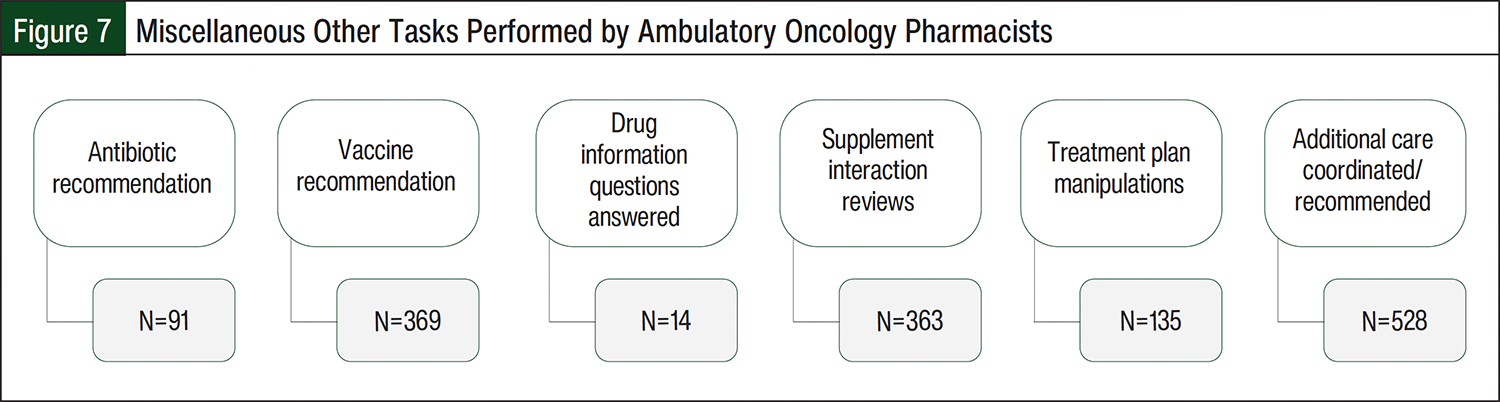
In addition to the activities described above, ambulatory oncology pharmacists assist with a variety of other medication-related questions that arise. Although it is impossible to document every task, an effort was made to capture the most common tasks through the RPh Medication Other Questionnaire. From April 1, 2024, to August 31, 2024, ambulatory oncology pharmacists provided 91 antibiotic recommendations; provided 369 vaccination recommendations, which include vaccines for splenectomies and vaccines after stem cell transplantation; answered 514 drug information questions; responded to 363 herbal supplement interaction requests; assisted in 1351 treatment plan manipulations; and coordinated care that was not related to the initial education or follow-up phone visits 528 times. A summary of these activities is shown in Figure 7.
Limitations
The study has several limitations. First, the data collected through the Questionnaire documentation system is dependent on individual pharmacists’ input and usage, creating the potential for variability or underreporting if certain interventions are not consistently documented. Second, although this review highlights the significant contributions of pharmacists, it lacks a detailed analysis of the direct impact of these interventions on clinical outcomes, such as patients’ survival rates or quality of life.
In addition, this review does not account for potential biases or confounding factors, such as differences in patient populations, clinic resources, or pharmacists’ experience levels, which could influence the results. Finally, the review is limited to a single institution, which may limit generalizability to other healthcare settings with differing workflows, staffing, or resources.
Literature has shown that ambulatory oncology pharmacists are a necessary member of the oncology team,6 but, until recently, there have not been reliable and discrete tools to quantify the efforts of these individuals. By creating and implementing the Questionnaire functionality within our EMR, we can now accurately track what our pharmacists are spending time on and how much time they are dedicating on each task.
Conclusion
Over the span of 5 months, a total of 688 initial educations were completed; 1039 independent laboratory evaluations were performed, with 206 of those requiring a dose adjustment, hold, or restart of their oral chemotherapy medication; and approximately 400 supportive care prescriptions were recommended and prescribed by our ambulatory oncology pharmacists.
The Questionnaire data collection tool allows us to highlight the invaluable tasks being performed by our ambulatory oncology pharmacists on a continual basis. These interventions improve patient care and reduce the workload by providers and other members of the healthcare team. Future work could explore how pharmacists’ interventions reduce providers’ time and contribute to cost avoidance.
The findings presented here will allow our institution to justify, reallocate, and ideally expand pharmacist and pharmacy technician resources within our oncology clinics. Although the data we present here have been shared as a collective representation of the 11 oncology clinics at our institution, the questionnaires also allow us to evaluate the data more granularly to identify which oncology clinics within our organization could benefit from additional support and which clinics have the bandwidth to provide that support.
We aim to continue to use this data collection tool and collect its results to showcase the work of pharmacists at our institution.
Author Disclosure Statement
Dr Ruffcorn and Dr Weil have no conflicts of interest to report.
References
- Simons S, Ringsdorf S, Braun M, et al. Enhancing adherence to capecitabine chemotherapy by means of multidisciplinary pharmaceutical care. Support Care Cancer. 2011;19:1009-1018. doi:10.1007/s00520-010-0927-5
- Marin D, Bazeos A, Mahon FX, et al. Adherence is the critical factor for achieving molecular responses in patients with chronic myeloid leukemia who achieve complete cytogenetic responses on imatinib. J Clin Oncol. 2010;28:2381-2388. doi:10.1200/JCO.2009.26.3087
- Zerillo J, Goldenberg B, Kotecha RR, et al. Interventions to improve oral chemotherapy safety and quality: a systematic review. JAMA Oncol. 2018;4:105-117. doi:10.1001/jamaoncol.2017.0625
- Koppinger S, Weil E, Ruffcorn N, et al. Identifying metrics and designing measurable outcomes in the electronic health record to evaluate pharmacist intervention in an oral chemotherapy program. J Oncol Pharm Pract. 2025;31:397-403. doi:10.1177/10781552241240439
- American Society of Clinical Oncology Quality Oncology Practice Initiative QOPI reporting tracks. Accessed March 2, 2026. https://cdn.bfldr.com/KOIHB2Q3/as/bm6cv7ngbvrfv2ps9p83fm/QOPI-Reporting-Track-Public-Posting
- Segal EM, Bates J, Fleszar SL, et al. Demonstrating the value of the oncology pharmacist within the healthcare team. J Oncol Pharm Pract. 2019;25:1945-1967. doi:10.1177/1078155219859424