

Connecting Science to Practice
Targeted oral therapies are becoming increasingly available,
especially those approved for non–small cell lung cancers
harboring certain mutations. Alectinib is one such therapy
targeting anaplastic lymphoma kinase. However, the administration
of oral medications is not always feasible depending
on a patient’s performance status or active acute
complications. This article describes a patient with a gastric
jejunostomy tube due to esophageal perforation from
tumor erosion and shares the successful administration
and tolerability of alectinib mixed into a suspension. The
ability to intake targeted therapy assisted in relieving disease
burden and contributed to symptom resolution.
Emerging immunotherapies and oral, targeted small molecule inhibitors have shown improved efficacy and tolerability compared with traditional cytotoxic chemotherapy for patients with non–small cell lung cancer (NSCLC), enabling their adoption into earlier lines of therapy over time.1 EML4 rearrangement with anaplastic lymphoma kinase (ALK) was first described in a small subset of patients with NSCLC in 2007.2 With increased prevalence of molecular testing and targeted treatment options, ALK gene rearrangement is currently identified in 5% to 6% of NSCLC cases.3 Alectinib, a second-generation ALK tyrosine kinase inhibitor (TKI), is indicated by the FDA for the treatment of ALK-positive metastatic NSCLC and is recommended by the National Comprehensive Cancer Network (NCCN) as a preferred first-line agent for this disease.4,5 Per the NCCN guidelines, alectinib is also recommended in the first-line setting for patients with an identified ALK rearrangement before starting or while receiving first-line therapy, as well as in the adjuvant setting after tumor resection in ALK-positive NSCLC.4,5 Alectinib has shown benefit in ALK TKI–naïve patients and in patients whose disease is refractory to crizotinib, a first-generation ALK TKI.6-9
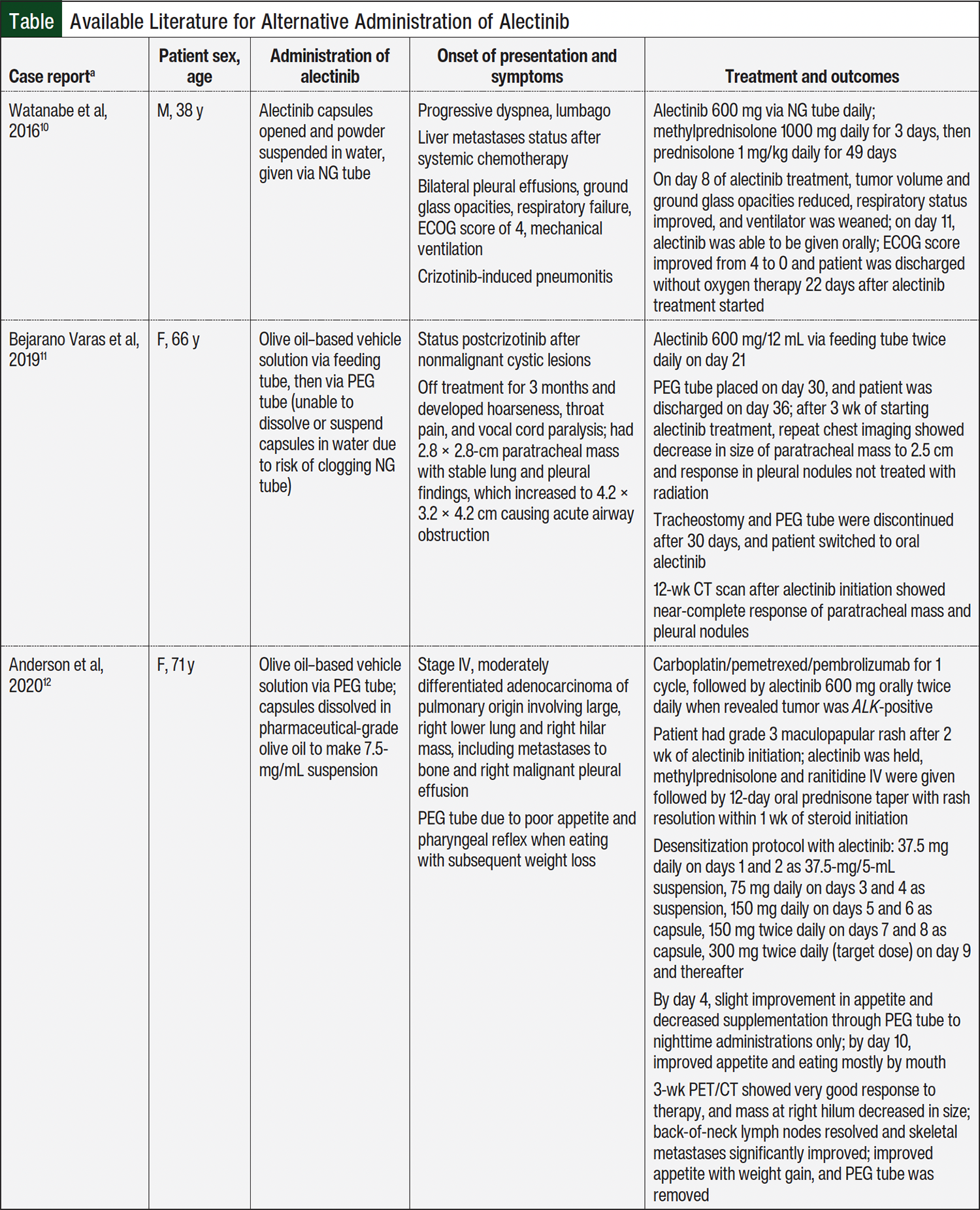
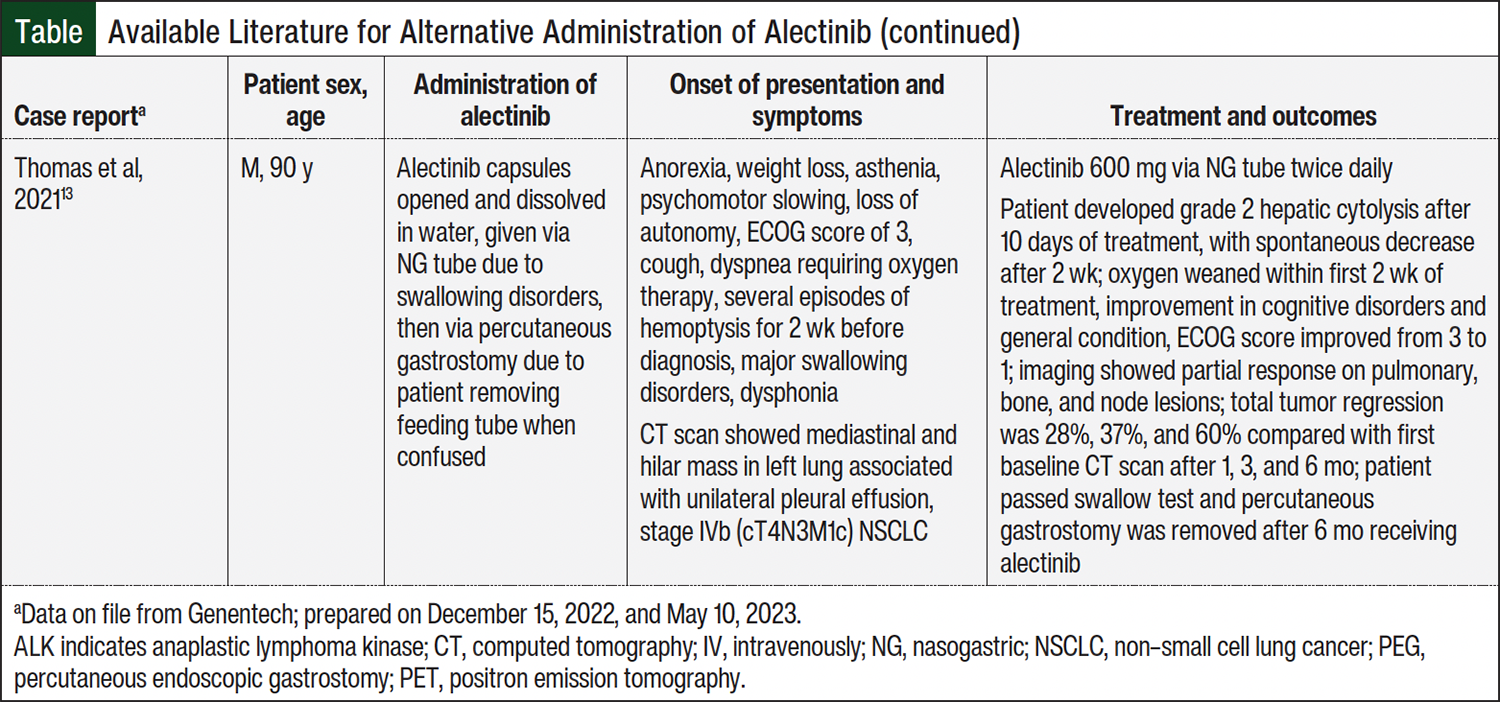
However, in patients with poor performance status or complications that may interfere with oral intake, limited data are available to guide safe and successful medication administration. Few case reports have shown successful efficacy outcomes with administering the contents of alectinib capsules dissolved in water or compounded as an oil-based suspension via nasogastric tube or percutaneous endoscopic gastrostomy tube10-13 (data on file from Genentech, prepared on December 15, 2022, and May 10, 2023). Disease severity and confirmation of molecular testing results may also alter the ability and timeline for patients to receive targeted oral agents.
Here, we report the case of a patient with ALK-positive NSCLC who successfully initiated and received alectinib via gastrojejunostomy (GJ) tube.
Case Report
A 44-year-old, previously healthy, nonsmoking man, with a medical history of hypertension and obesity, presented to the emergency department in the fall of 2022 with worsening cough that had been present for 2 to 3 months. The patient received treatment before this encounter with several courses of antibiotics and oral steroids with minimal response and recurrence of symptoms. During his first emergency department visit at our institution, the patient stated that his cough was associated with dyspnea at rest and with exertion. The patient also reported intentional weight loss of 20 lb since the start of his respiratory symptoms. The patient had not smoked and was not exposed to secondhand smoke. The patient was admitted to the medical floor and received treatment for his acute respiratory issues. A bronchoscopy was performed and tissue that was collected revealed lung adenocarcinoma. The patient was discharged in stable condition with a referral to follow up with an oncologist in the outpatient setting.
The patient returned to the emergency department several days later with increased shortness of breath and left leg pain. An ultrasound of his left lower leg showed deep vein thrombosis (DVT). The patient also had a pulmonary embolism (PE). The patient was admitted to the medical oncology floor and received treatment for his DVT and PE. To prevent further delays in treatment, the patient began receiving intravenous chemotherapy with carboplatin and pemetrexed. Imaging and further testing revealed he had metastatic lung adenocarcinoma and metastases to the liver and bone, with positive cytology of the pleural fluid. During this same encounter, the patient had an esophageal perforation that was caused by erosion of the tumor; therefore, an esophageal stent was placed along with a GJ tube. The patient was stabilized and discharged home with appropriate medications and plans to follow up with his oncologist.
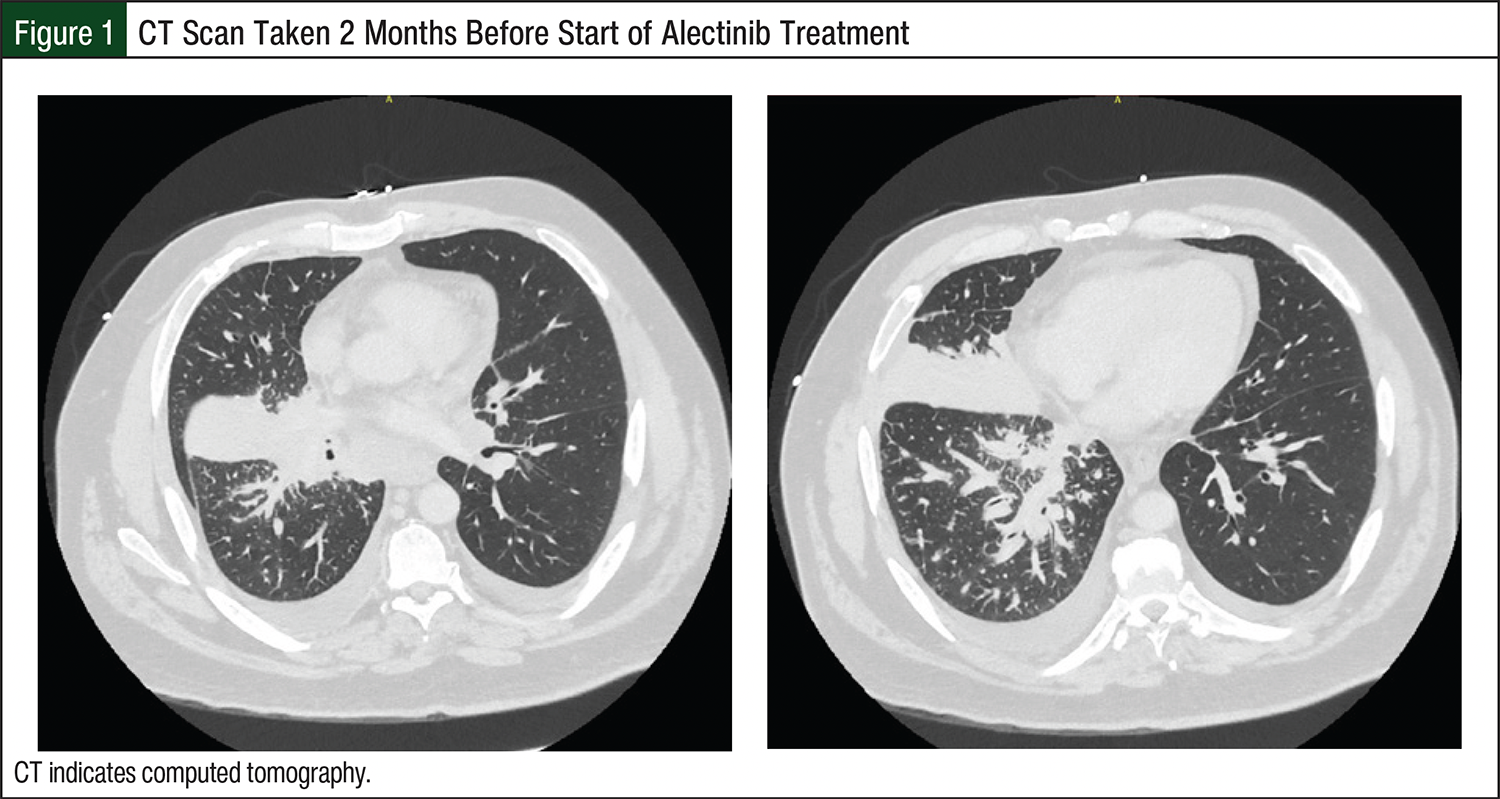
During the patient’s initial visit with medical oncology, a review of biomarker testing that was performed on tumor tissue revealed an actionable EML4-ALK fusion mutation. At the time of this significant finding, the patient was still unable to swallow medications, his performance status was poor (ECOG status score of 2), and the patient still depended on supplemental oxygen. The computed tomography scans in Figure 1 demonstrate the patient’s disease burden before the start of targeted treatment with alectinib. The health-system specialty pharmacy was consulted regarding an alternative administration for alectinib. The drug manufacturer was contacted and provided data collected from several case reports (data on file from Genentech, prepared on December 15, 2022, and May 10, 2023), as well as a review of the current literature (Table).10-13 After discussing the risks of preparing, administering, and disposing of a hazardous drug with the patient’s spouse and physician, it was determined that the spouse would administer the medication and prepare a suspension of the contents of alectinib mixed with water using supplies provided to them. The spouse agreed to take on the responsibility of preparing and administering the alectinib suspension with full awareness of the risk for potential hazardous drug exposure. A demonstration of the preparation process and required supplies were given to the spouse, who successfully demonstrated understanding through teach-back.
Alectinib capsules were opened, mixed in a bottle containing water, drawn up into an oral syringe, and immediately administered to the patient via GJ tube twice daily. The volume of water to disperse the capsules in suspension varied in this specific case according to the spouse, but was approximately 100 mL of water. The syringe containing the alectinib solution and the GJ tube were each flushed appropriately with 30 to 50 mL of water after every administration to ensure the full dose was given and not stuck in the tube or mixing syringe. There were no reports of issues with administering the dispersed solution via GJ tube as noted in available literature resulting in clogged tubing, although if such issues arose, olive oil has been noted as an alternative dissolvent.10-13 The spouse wore protective eyewear, wore 2 surgical masks, and used 2 sets of gloves. The capsules were manipulated in a well-ventilated, separate area of the home, away from other residents and away from the kitchen where food is consumed and prepared. The supplies used to prepare the mixture were disposed of in carefully labeled containers.
There were mechanical complications with the patient’s GJ tube unrelated to medication administration that warranted several visits to urgent care before and after alectinib was prescribed. However, once the tube was working properly, the spouse noticed a rapid improvement in the patient’s symptoms and overall status within 2 weeks of treatment start. After the removal of the patient’s GJ tube and esophageal stent, alectinib was administered according to the prescribing information.4
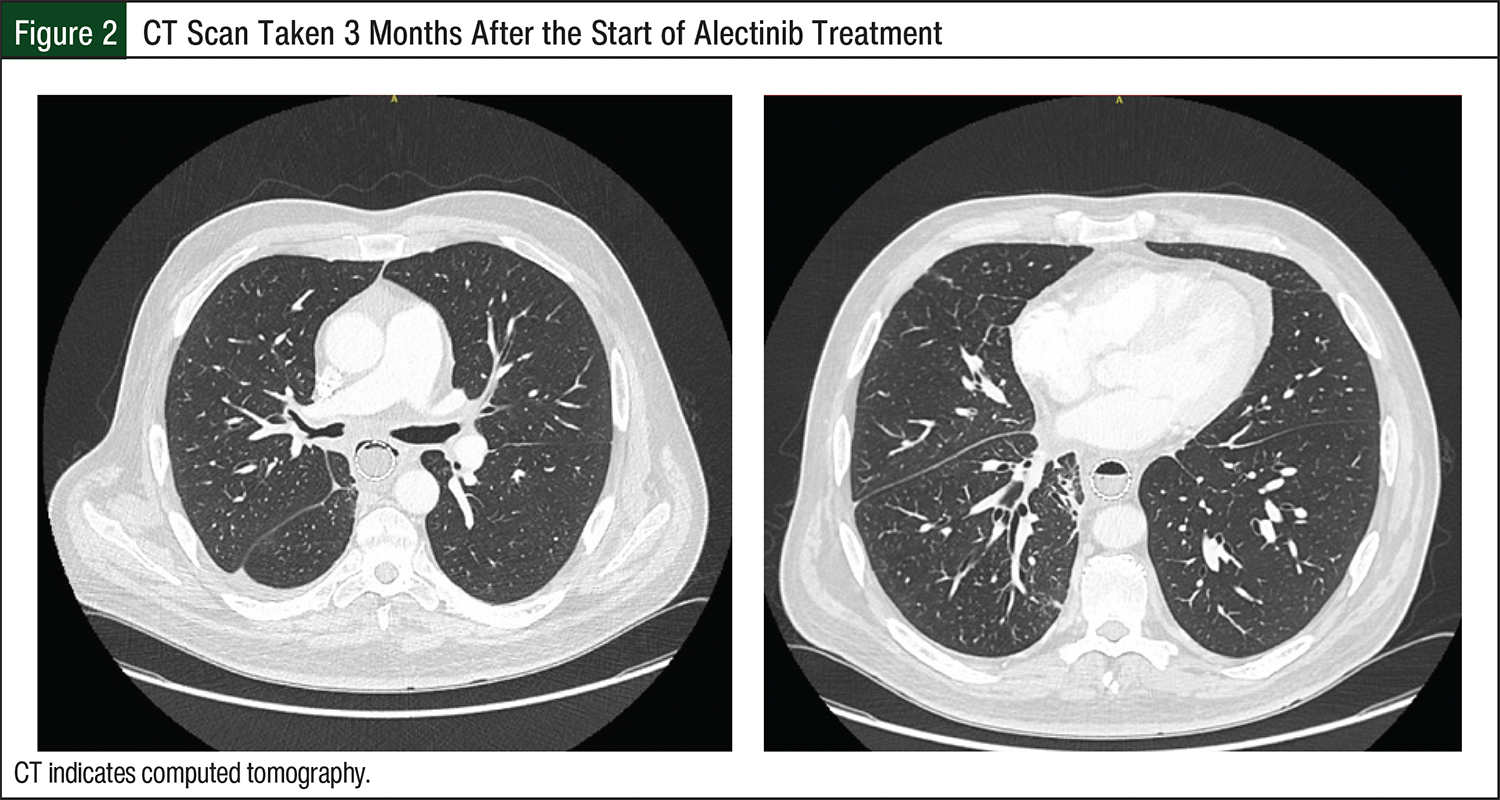
As of summer 2023, the patient was not receiving supplemental oxygen and was able to perform prediagnosis activities. During his most recent oncology follow-up at the time of article submission, the patient had an ECOG score of 0 and was only receiving alectinib and apixaban as prescribed. Repeat imaging, as shown in Figure 2, demonstrated improvement of disease, which correlated with improvement of the patient’s overall condition.
Discussion
Although traditional antineoplastic chemotherapy, as well as some antiviral, hormonal, and bioengineered drugs, are most frequently classified as hazardous because of their mechanisms of action, newer targeted treatments and immunotherapies are less harmful and more efficacious by utilizing alternative mechanisms of action, focusing on precise molecular and cellular aspects of cancer that spare healthy cells from destruction. The National Institute for Occupational Safety and Health (NIOSH) revised the 1990 American Society of Health-System Pharmacists’ definition of hazardous drugs to include medications that exhibit at least 1 of the following in humans or animals: carcinogenicity, teratogenicity or developmental adverse events (AEs), reproductive AEs, organ AEs (at low doses), genotoxicity, and new drugs with similar structure and AE profiles that mimic those of existing hazardous drugs.14 NIOSH also categorizes hazardous drugs into 3 groups based on their carcinogenicity, teratogenicity, and reproductive AEs.14 An assessment of the hazardous risks for new treatment agents coming to market is necessary to determine what precautions are required for safe handling and administration. Some oral oncolytic agents may not be present on the 2016 or 2024 NIOSH hazardous drug lists, whereas some oral noncytotoxic agents may be considered hazardous.
The manipulation of oral oncolytic agents poses a hazardous exposure risk for the administrator, because hazardous drugs may enter the body through inhalation, dermal absorption, ingestion of contaminated foods, or oral contact via contaminated hands.15 When handling hazardous drugs, administrators are recommended to wear appropriate personal protective equipment, such as double gloves, double gowns, face mask, and eyewear.16 Gloves are also recommended to be worn during chemotherapy administration, and when not available, patients can use the cap of the medication container or a disposable medicine cup to hold the tablet or capsule prior to intake.17 After handling hazardous drugs, it is recommended to wash hands with soap and water after drug administration despite wearing gloves. Keeping the medication in its original bottle or box and not crushing tablets or opening capsules will also help to decrease exposure to the hazardous drug.17 Disposal of hazardous drugs may require special handling or be accepted through a takeback for proper disposal. These factors all contribute to the nuances of administering hazardous medications via alternative routes with limited data.
The presence of an actionable mutation allows providers to utilize targeted agents for better response and limited AEs from treatment. However, a patient’s clinical status may decline due to acute complications or as a result of worsening disease progression, making certain treatment options unfeasible under the current conditions. If patients have an enteral tube in place, proper administration of hazardous medications may cause treatment interruptions. There is limited information regarding enteral administration of hazardous medications, with most data pertaining only to nasogastric, percutaneous endoscopic gastrostomy, or gastrostomy tube. A 2019 systemic evaluation reviewed 87 FDA-approved oral chemotherapy drugs, of which 33 drugs had available enteral tube administration information.18 Only 4 drugs had instructions for nasogastric or gastric tube administration listed on the prescribing information. With variable and limited evidence, general parameters are recommended for safe and effective administration of hazardous medications via enteral tube. The American Society for Parenteral and Enteral Nutrition recommends that medications not be mixed with other enteral formulations or medications due to the risk for incompatibilities that may cause tube obstruction or alter medication efficacy. Safe handling should also be practiced per NIOSH and US Pharmacopeia <800> recommendations as a result of the previously mentioned risks for hazardous exposure.18
A current literature search revealed few case reports of alectinib mixed in water or olive oil suspension (because of a risk for clogging feeding tubes) administered via nasogastric or percutaneous endoscopic gastrostomy tube. Both mixtures resulted in disease improvement and patients being able to have their feeding tube removed and resume the administration of medication via oral capsules. In our patient, we decided to mix the capsule contents using water administered via GJ tube, which allowed for successful administration. However, reports using olive oil provide an alternative dissolvent if the suspension clogs the feeding tube and it is not resolved with flushing the tube.11,12 The amount of diluent volume to disperse the capsule varied, supporting the option that the diluent volume may be adjusted based on patient-specific factors, as long as the medication is able to be fully dispersed in suspension and flushed through the tube. Our patient was able to undergo similar successful improvement and removal of his feeding tube, demonstrating the impact of targeted oncolytics as they emerge and move forward in recommended lines of therapy.
Conclusion
When faced with questions and challenges regarding alternative methods of administration of novel, targeted small molecule inhibitors, the pharmacist should weigh the risks for hazardous drug exposure to the caretakers and others who may be exposed to the manipulated hazardous agent with the benefits of alternative medication administration. In our case, the patient’s spouse was made aware of the risks for potential hazardous exposure from manipulation of the medication; however, they were able and willing to assume these risks for the benefit of the patient. Despite limited data supporting the alternative administration of alectinib, this case report demonstrates the successful administration of alectinib mixed in water and administered to the patient via GJ tube, preventing a delay in treatment and resulting in swift improvement of the patient’s symptoms and disease status.
Acknowledgment
We would like to sincerely thank the patient and his spouse for providing their consent for us to share this interesting and successful case. Their hope is that this information will help other patients and healthcare providers.
Disclosure Statement
Dr Hollinghurst is currently an employee at AstraZeneca, but was not employed there at the time of the study; Dr She and Dr Mirshahidi have no conflicts of interest to report.
References
- Zhang L, Gong J. Tyrosine kinase inhibitors as induction therapy in nonsmall-cell lung cancer. Curr Opin Oncol. 2020;33:55-58. doi:10.1097/CCO.0000000000000696
- Soda M, Choi Y, Enomoto M, et al. Identification of the transforming EML4–ALK fusion gene in non-small-cell lung cancer. Nature. 2007;448:561-566. doi:10.1038/nature05945
- Devarakonda S, Morgensztern D, Govindan R. Genomic alterations in lung adenocarcinoma. Lancet Oncol. 2015;16:E342-E351. doi:10.1016/S1470-2045(15)00077-7
- Alecensa (alectinib capsules), for oral use [prescribing information]. Genentech; June 2026.
- National Comprehensive Cancer Network. NCCN Clinical Practice Guidelines in Oncology (NCCN Guidelines): non-small cell lung cancer. Version 5.2026. March 13, 2026. Accessed July 22, 2026. www.nccn.org/professionals/physician_gls/pdf/nscl.pdf
- Peters S, Camidge DR, Shaw AT, et al. Alectinib versus crizotinib in untreated ALK-positive non-small-cell lung cancer. N Engl J Med. 2017;377:829-838. doi:10.1056/NEJMoa1704795
- Ou S-H, Ahn JS, De Petris L, et al. Alectinib in crizotinib-refractory ALK-rearranged non-small-cell lung cancer: a phase II global study. J Clin Oncol. 2016;34:661-668. doi:10.1200/jco.2015.63.9443
- Hida T, Nokihara H, Kondo M, et al. Alectinib versus crizotinib in patients with ALK-positive non-small-cell lung cancer (J-ALEX): an open-label, randomised phase 3 trial. Lancet. 2017;390:29-39. doi:10.1016/S0140-6736(17)30565-2
- Shaw AT, Gandhi L, Gadgeel S, et al. Alectinib in ALK-positive, crizotinib-resistant, non-small-cell lung cancer: a single-group, multicentre, phase 2 trial. Lancet Oncol. 2016;17:234-242. Erratum in: Lancet Oncol. 2017;18:e134.
- Watanabe Y, Koyama N, Iwai Y, et al. Successful alectinib treatment for a mechanically ventilated patient with ALK-positive non-small cell lung cancer. Ann Cancer Res Ther. 2016;24:47-51. doi:10.4993/acrt.24.47
- Bejarano Varas MT, Gould S and Charlot M. Response to alectinib oil-based suspension in anaplastic lymphoma kinase-positive non-small cell lung cancer in a patient unable to swallow: a case report. J Oncol Pharm Pract. 2019;25:1722-1725. doi:10.1177/1078155218793197
- Anderson BE, Luczak TS, Ries LM, et al. Successful alectinib desensitization in a patient with anaplastic lymphoma kinase-positive adenocarcinoma of the lung and alectinib-induced drug rash. J Oncol Pharm Pract. 2020;26:2028-2030. doi:10.1177/1078155220918644
- Thomas QD, Pautas M, Guilhaume MN, et al. Enteral administration of alectinib for ALK-positive non-small cell lung cancer in an elderly patient: a case report. Medicine (Baltimore). 2021;100:e27611. doi:10.1097/MD.0000000000027611
- Ovesen JL, Sammons D, Connor TH, et al. NIOSH list of hazardous drugs in healthcare settings, 2024. US Centers for Disease Control and Prevention, National Institute for Occupational Safety and Health. Accessed July 22, 2026. www.cdc.gov/niosh/docs/2025-103/pdfs/2025-103.pdf?id=10.26616/NIOSHPUB2025103
- Power LA, Coyne JW. ASHP guidelines on handling hazardous drugs. Am J Health Syst Pharm. 2018;75:1996-2031. doi:10.2146/ajhp180564
- Oratz T, Ogletree R, Gettis M, Cherven B. Oral chemotherapy: an evidence-based practice change for safe handling of patient waste. Clin J Oncol Nurs. 2021;25:272-281. doi:10.1188/21.CJON.272-281
- Napier K, Sheridan DJ. Safe handling of oral chemotherapy. Nursing. 2021;51:11-12. doi:10.1097/01.NURSE.0000795308.71230.7c
- Spencer SH, Menard SM, Labedz MZ, et al. Enteral tube administration of oral chemotherapy drugs. J Oncol Pharm Pract. 2020;26:703-717. doi:10. 1177/1078155219893449